
HolaResidency

Success stories

Cases like yours

Every move starts from a different situation. Here you can see how the work goes in typical cases. When clients authorise it in writing, we publish their opinion here.

Illustrative examples

These scenarios are written to explain how we work. They are not real clients, and they describe the process, not a result.

Illustrative example — not a real client

Remote employee moving with a partner · Digital nomad visa

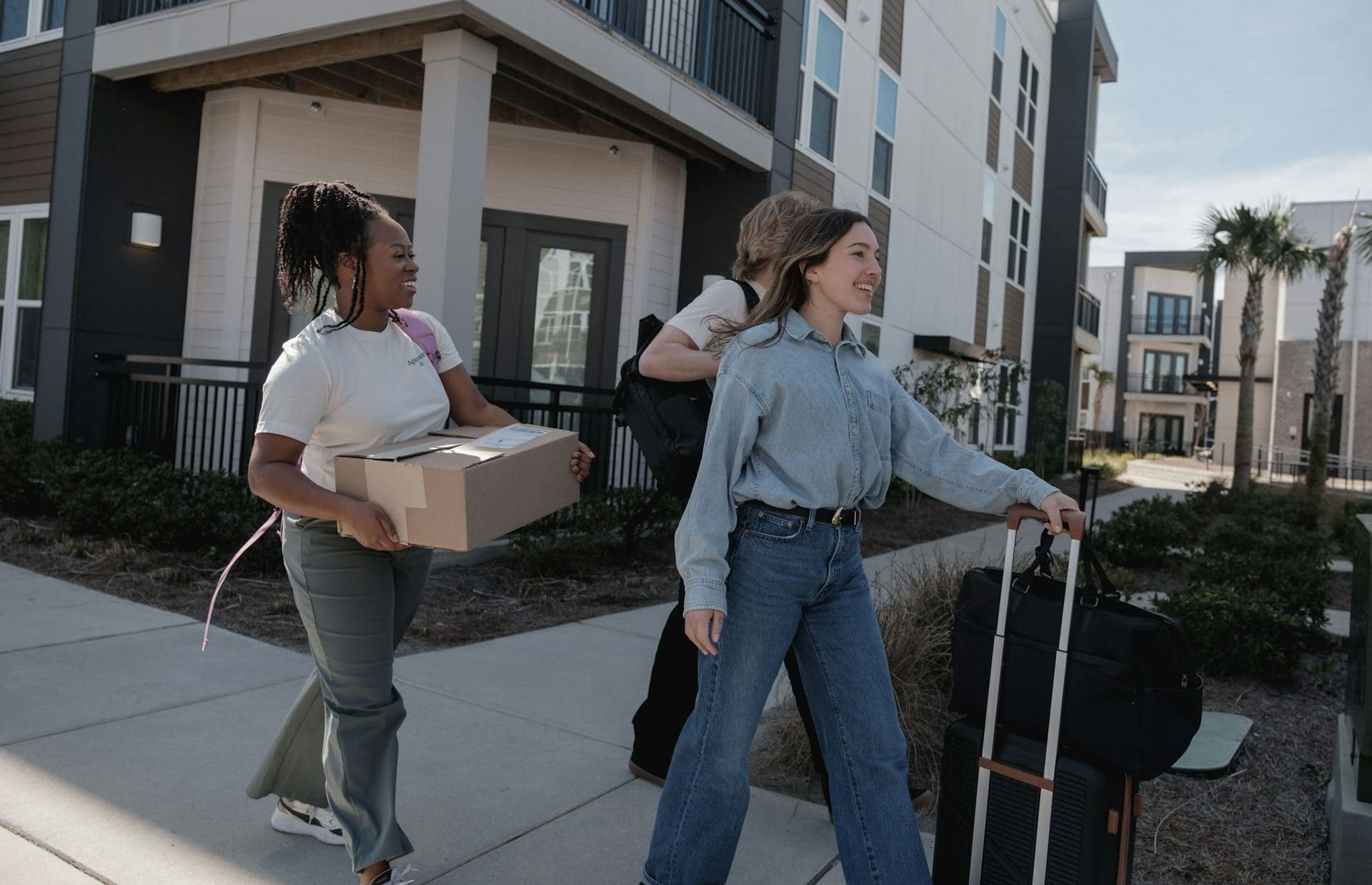
A remote employee already in Spain, moving with a partner

The situation

Works full-time for a company outside Spain and is in Spain legally as a visitor. Wants to stay and live here with a partner, and is unsure how the move affects taxes.

How the work goes

  1. We check that the job, the employer and the professional background fit the international remote work route.
  2. As the person is legally in Spain, we prepare the residence application from here instead of going back to a consulate.
  3. We include the partner in the same application, with proof of the relationship, apostilled and translated where needed.
  4. We review with the real figures whether the special tax regime for people moving to Spain (Beckham Law) suits them, and its deadline.

Who decides

The immigration authority decides on the residence authorisation for both of them, and the tax agency on the special tax regime if it is requested.

Illustrative example — not a real client

Retired couple living on their pensions · Non-lucrative & other permits

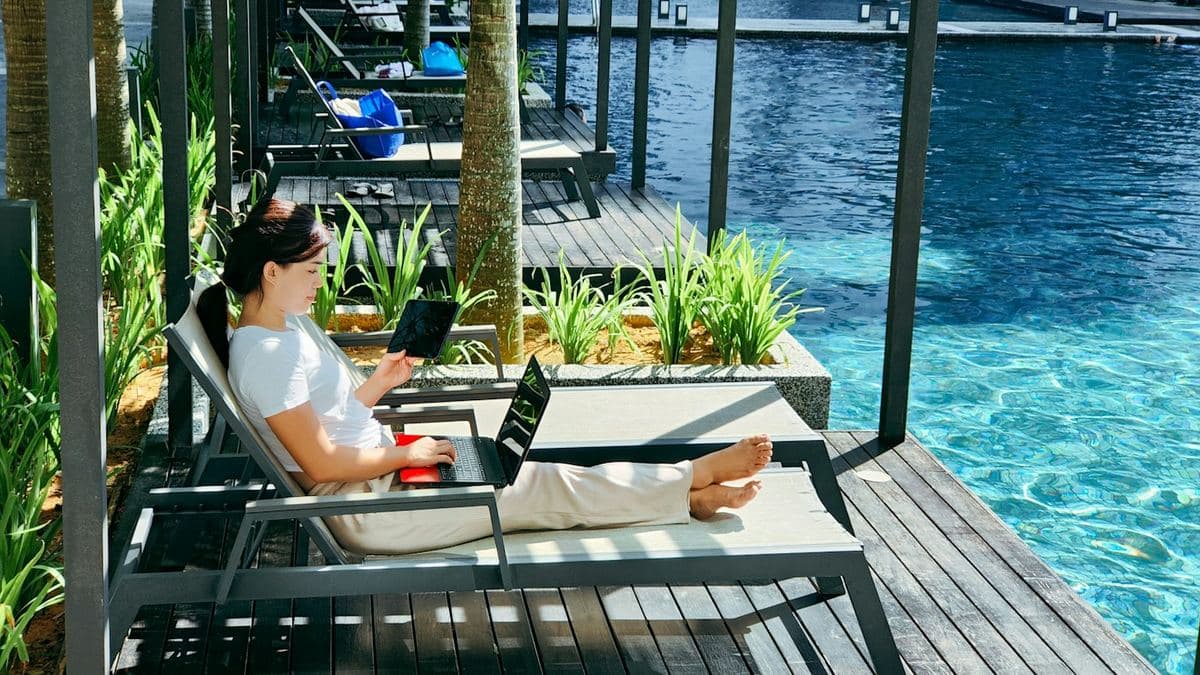
A retired couple who want to live in Spain on their pensions

The situation

Both receive pensions from their home country and want to spend their retirement in Spain, without working here.

How the work goes

  1. We confirm that the non-lucrative residence fits them, and what proof of means and private health insurance it requires.
  2. We gather each person's documents: criminal record certificates, medical certificates and proof of income, with apostilles and sworn translations.
  3. We prepare both applications and the appointment at the Spanish consulate for their place of residence.
  4. After arrival, we guide them through the TIE appointment and the town hall registration.

Who decides

The Spanish consulate decides on the visas. Requirements and amounts are checked on the date of the application.

Illustrative example — not a real client

Freelance designer with clients abroad · Self-employed or company

A freelance designer with clients outside Spain

The situation

Works as a freelancer for clients abroad and wants to make Spain a base, invoicing correctly from the start.

How the work goes

  1. We check that the client contracts and the professional track record fit the international remote work route as a self-employed person.
  2. We prepare the application with the contracts, the proof of activity and the rest of the documents.
  3. Once there is a decision, we plan the registration as self-employed (autónomo) and the obligations that come with it.
  4. We explain what to keep in mind about invoicing and taxes, coordinating with a tax adviser where needed.

Who decides

The immigration authority decides on the authorisation. The self-employed registration is done with the tax agency and Social Security.

Each case is different; past results do not guarantee future ones. The decision belongs to the administration.

Is your situation similar?